Covenants are the backbone of your Florida HOA’s rules and regulations. These legally binding documents, formally known as the Declaration of Covenants, Conditions, and Restrictions (CC&Rs), govern how your community functions and what is expected of both homeowners and the board of directors. When owners purchase a home in a planned community, they agree to follow the terms laid out in the CC&Rs, and violating them can lead to enforcement actions, fines or other penalties.
But bylaws, covenants and restrictions are not meant to stay relevant forever. Sometimes they need to be amended. Other times they may expire and thus also need the board’s attention. Here’s what to know if they do.
Yes, Covenants Can Expire
While it may surprise some homeowners, HOA covenants can and do have expiration dates, depending on how they were originally drafted and what state law allows. In Florida, for example, a covenant that is more than 30 years old may no longer be enforceable under state law.
When a covenant expires, there are consequences, including:
The HOA may lose the legal authority to enforce community rules.
Assessments may no longer be collectible.
The board’s power may be nullified.
If a covenant is set to expire, Florida law offers a solution: covenant revitalization.
What is Covenant Revitalization?
Fla. Stat. §720, Part III outlines a process for reviving expired covenants in homeowners’ associations. Here are the key points:
Homeowner approval – The proposed revived covenant must be approved by a majority of homeowners at a properly noticed meeting.
Restrictions on the new covenant – The revitalized declaration cannot be more restrictive than the original (with limited exceptions). However, it may have a longer term than the original and remove outdated or unenforceable provisions. It can also apply to fewer parcels than the original declaration as well as include new amendments or provisions required under current Florida law.
Initiation requirements – At least three homeowners must form a revitalization committee to begin the process, as required by Fla. Stat. §720.405. This committee is responsible for preparing the proposed revived covenant, notifying all homeowners of the meeting and proposed changes, and ensuring legal compliance.
Letting your HOA’s governing documents expire can jeopardize your association’s operations and community standards. While revitalization is possible, it’s a complex legal process that requires careful planning and execution.
If you’re unsure of your covenant’s expiration date or if your association is nearing that 30-year threshold, now is the time to act. Contact our team Dania Fernandez & Associates, P.A. for help with covenant revitalization and to protect your HOA’s legal authority.
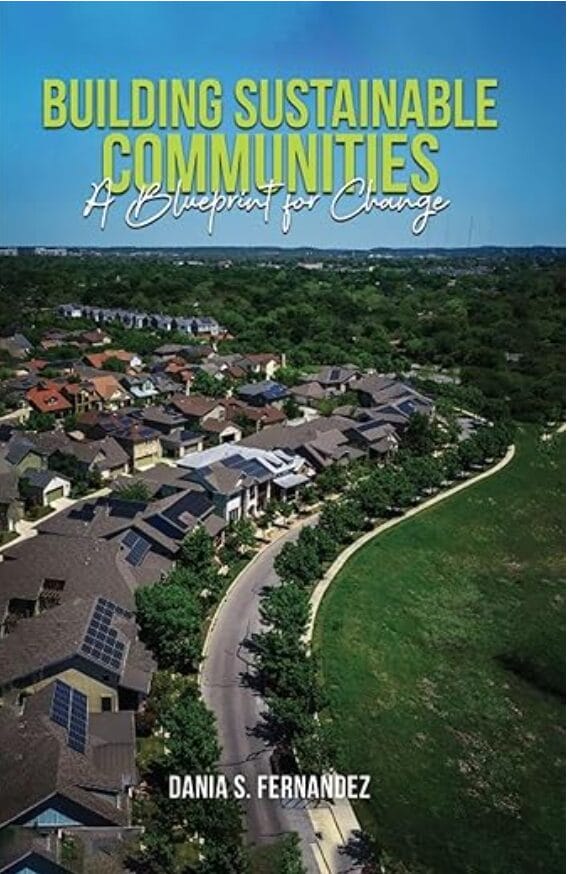
Building Sustainable Communities: A Blueprint for Change
Practical guidance for HOA and Condominium board
members on governance, legal responsibilities,
financial stewardship, and building stronger
communities.