

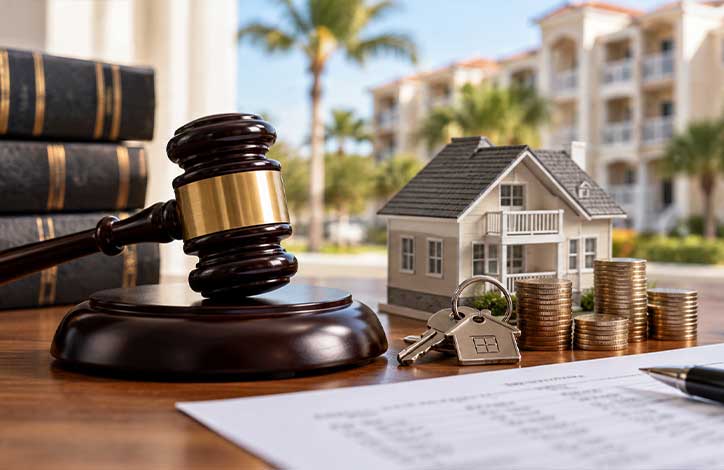
Florida HOA & Condo Assessment Collections: Liens, Attorney Fees, and Foreclosure
Unpaid assessments can quickly become a significant financial problem for a Florida homeowners’ association or condominium association. When owners fall behind, the resulting shortfall may affect an association’s ability to pay vendors, maintain common areas, fund reserves, make necessary repairs, and meet other community obligations.
Florida law provides associations with several tools for collecting delinquent assessments, including liens and, in appropriate circumstances, foreclosure. However, boards should understand the required procedures before taking collection action.
What Happens When an Owner Stops Paying Assessments?
When a unit owner or parcel owner fails to pay assessments when due, the association may be able to pursue not only the unpaid assessments but also other amounts authorized by Florida law and the governing documents.
Depending on the circumstances, these amounts may include:
- Unpaid assessments
- Interest
- Late fees or administrative charges
- Collection costs
- Reasonable attorney’s fees
The amount owed can therefore increase considerably if an account remains delinquent.
For boards, acting consistently and promptly can be important. Allowing delinquent accounts to remain unresolved for extended periods can negatively affect the association’s finances and complicate future collection efforts.
Can a Florida HOA or Condo Association Place a Lien on a Property?
Under Florida law, qualifying unpaid assessments may create lien rights against an owner’s parcel or condominium unit.
However, having a potential lien right does not mean a board should simply record a lien without following the applicable statutory procedures.
Florida homeowners’ associations are generally governed by Chapter 720 of the Florida Statutes, while condominium associations are generally governed by Chapter 718. The procedures and requirements applicable to each type of association can differ.
Before recording or enforcing a lien, an association should ensure that required notices, waiting periods, amounts claimed, and other statutory requirements have been properly addressed.
Can an Association Recover Attorney’s Fees?
Attorney’s fees can be an important component of association collection matters.
Florida law may permit an association to recover reasonable attorney’s fees and costs incurred in collecting delinquent assessments when the applicable statutory requirements are satisfied.
This is particularly important for boards because an association should not necessarily have to absorb all of the legal expense caused by an owner’s failure to pay required assessments.
Nevertheless, recoverability depends on the circumstances, governing documents, applicable statutes, and compliance with required collection procedures.
Can a Florida HOA or Condo Association Foreclose Its Lien?
In certain circumstances, yes.
A properly perfected association lien may potentially be enforced through foreclosure. Foreclosure is a significant legal remedy and should generally be considered after the association has evaluated the delinquency, statutory requirements, property circumstances, and other available collection options.
Before proceeding, the association may need to provide additional statutory notice giving the owner an opportunity to resolve the delinquency.
Failure to comply with required procedures can create delays, increase expenses, or affect the association’s ability to enforce its lien.
When Should an Association Send an Account to Collections?
There is no single collection strategy appropriate for every community. However, boards should consider establishing and consistently applying a written collection policy.
A collection policy may establish when:
- A delinquency notice is sent
- Late fees and interest are imposed
- An account is referred to association counsel
- A lien is recorded
- A foreclosure action may be considered
- Payment plans may be offered
Consistent procedures can help boards manage delinquent accounts efficiently while reducing claims that owners have been treated differently.
What If the Delinquent Owner Has a Mortgage?
Mortgage liens can significantly affect association collection strategy.
Before pursuing foreclosure, an association should evaluate existing mortgages, other recorded liens, the property’s value, and the potential costs and benefits of litigation.
A foreclosure that makes sense for one property may not make financial sense for another.
This is one reason boards should consult experienced Florida community association counsel before pursuing substantial collection or foreclosure action.
What If the Owner Offers a Payment Plan?
Payment plans can sometimes provide associations with a practical alternative to litigation.
A properly structured agreement may allow the association to recover outstanding amounts while avoiding some of the time and expense associated with further collection proceedings.
Any payment arrangement should be carefully documented. The association should consider the amount owed, payment schedule, continuing assessments, defaults, attorney’s fees, and what remedies remain available if the owner fails to comply.
Why Collection Procedures Matter
Assessment collection is not simply about recovering money from an individual owner.
Assessments fund the operation of the entire community. When some owners fail to pay their required share, the financial burden may ultimately affect other owners and the association’s ability to fulfill its responsibilities.
At the same time, Florida associations must comply with statutory requirements when exercising collection remedies.
An effective collection strategy therefore requires both consistent enforcement and careful legal compliance.
Does Your HOA or Condominium Association Have Delinquent Accounts?
Dania S. Fernandez & Associates, P.A. assists Florida homeowners’ associations and condominium associations with assessment collection matters, including delinquency notices, liens, collection strategies, payment arrangements, and foreclosure proceedings when appropriate.
Association boards should obtain legal guidance before taking significant collection action to ensure that the association follows Florida law and protects its ability to recover amounts owed.
Contact Dania S. Fernandez & Associates, P.A. to discuss your association’s assessment collection needs.
Need Help With Florida HOA & Condo Assessment Collections?
Our experienced community association attorneys assist Florida homeowners’ associations and condominium associations with assessment collections, liens, payment arrangements, and foreclosure matters while helping boards navigate legal requirements.
Frequently Asked Questions
Can a Florida HOA or condo association collect unpaid assessments?
Florida associations may have legal remedies for collecting delinquent assessments, including claims for amounts owed and, when applicable requirements are satisfied, lien enforcement and foreclosure.
Can an association place a lien on a property for unpaid assessments?
Qualifying unpaid assessments may create lien rights under Florida law. Associations must follow applicable statutory procedures before recording or enforcing a lien.
Can an association recover attorney’s fees for assessment collections?
Florida law may permit the recovery of reasonable attorney’s fees and costs in qualifying collection matters. Recoverability depends on the applicable statutes, governing documents, circumstances, and required procedures.
Can a Florida HOA or condo association foreclose on a lien?
In certain circumstances, a properly perfected association lien may be enforced through foreclosure. Boards should evaluate the legal requirements, property circumstances, and potential costs before proceeding.
Should an association offer a payment plan for delinquent assessments?
A payment plan may provide a practical alternative to litigation in some circumstances. Any arrangement should be carefully documented and address the amount owed, payment schedule, continuing assessments, defaults, and available remedies.
When should a Florida association send an account to collections?
Boards should consider establishing a written collection policy that addresses delinquency notices, referrals to counsel, lien recording, payment plans, and potential foreclosure. The appropriate timing depends on the circumstances and applicable legal requirements.